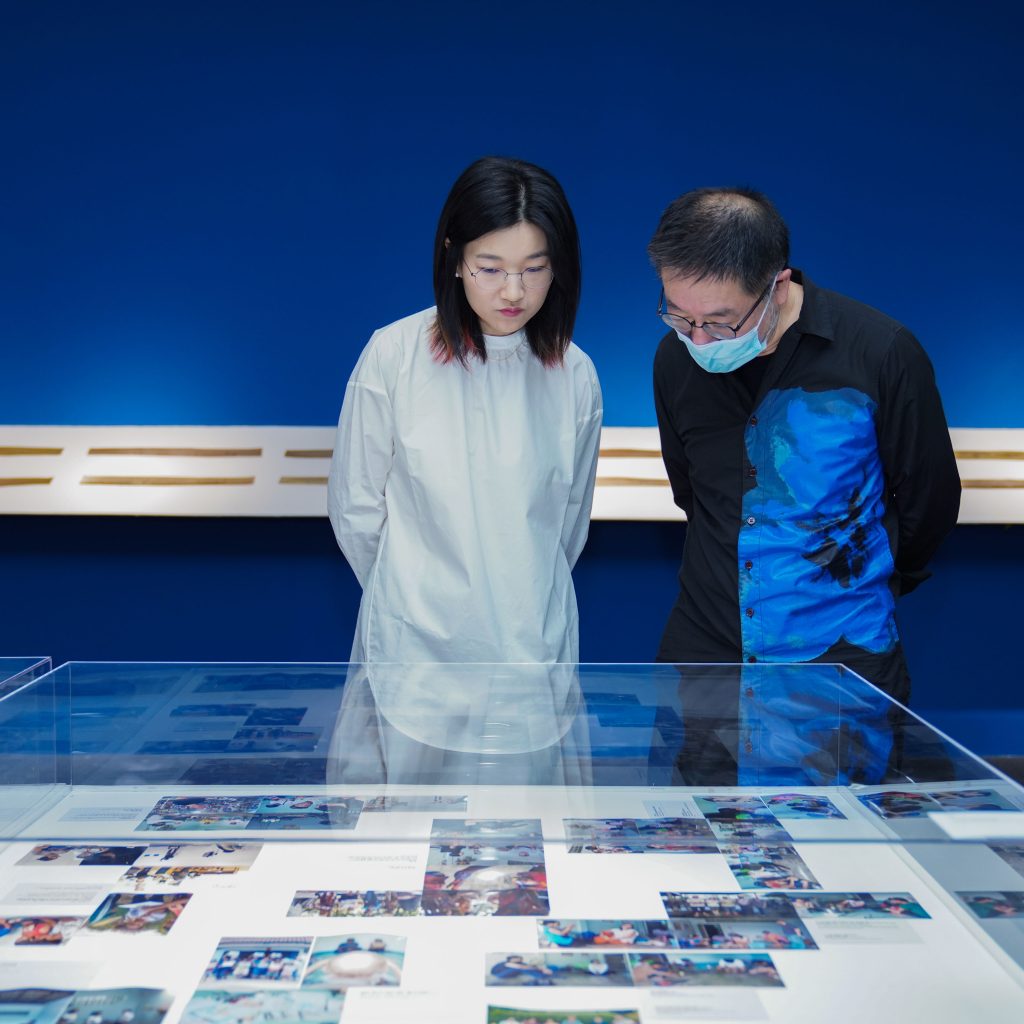
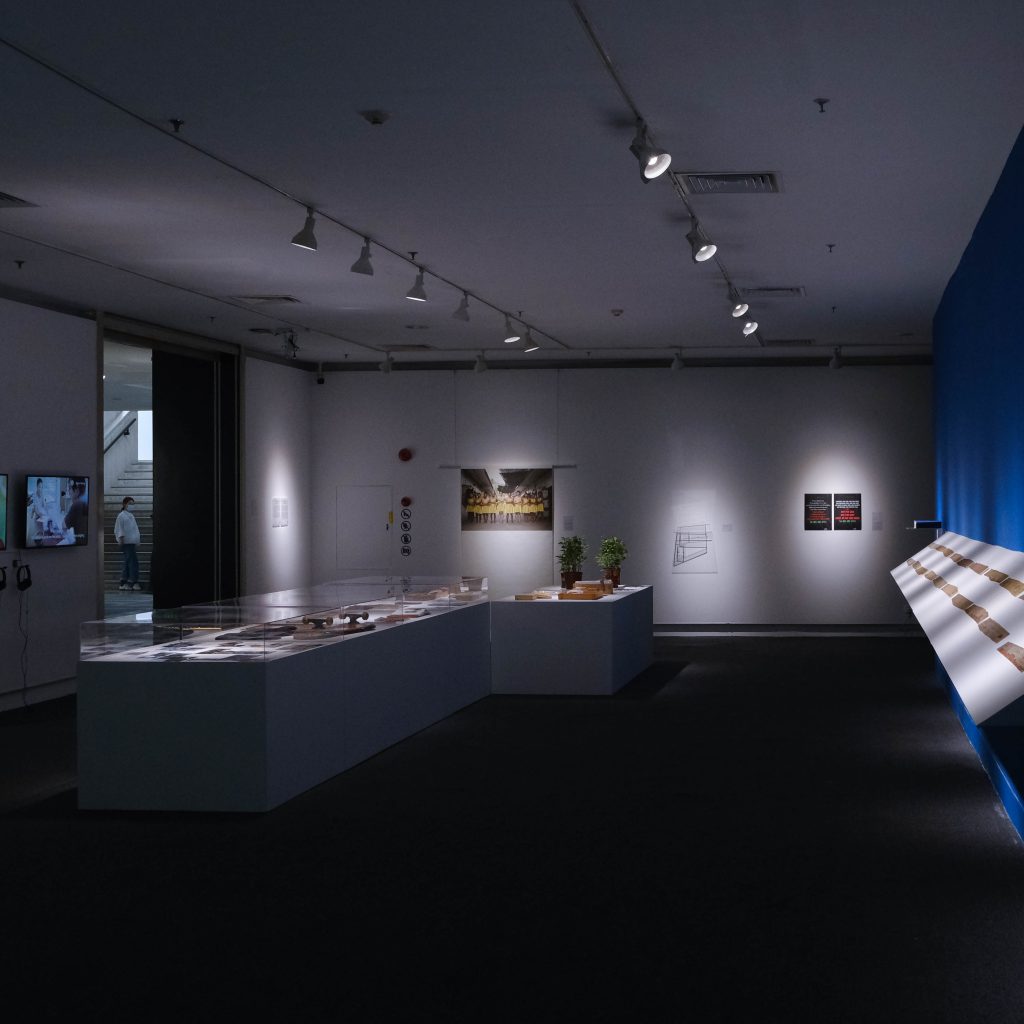
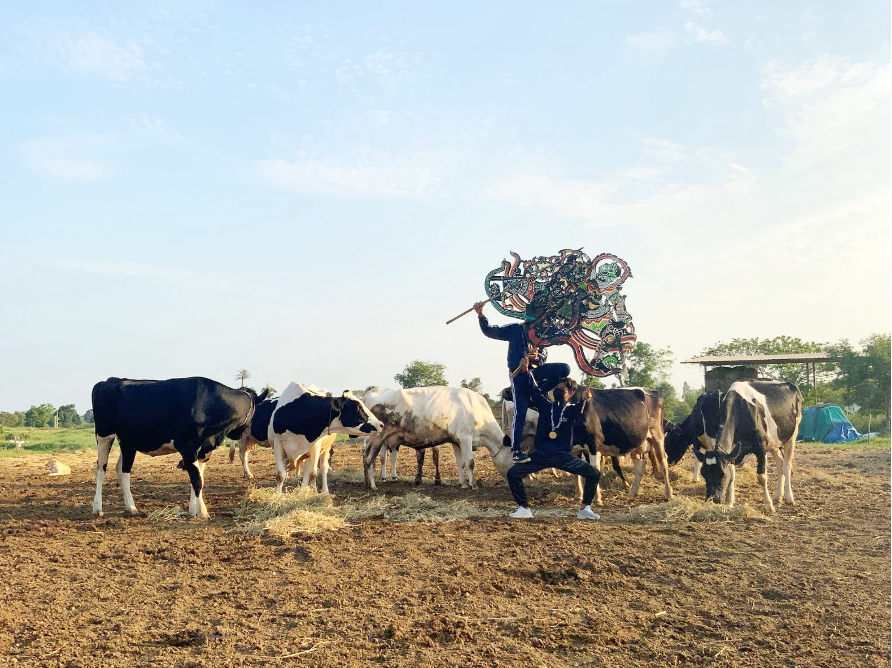
On occasion of The First Pan-Southeast Asia Triennial Serial Research Exhibition Project #3: Two responses to “participatory art”
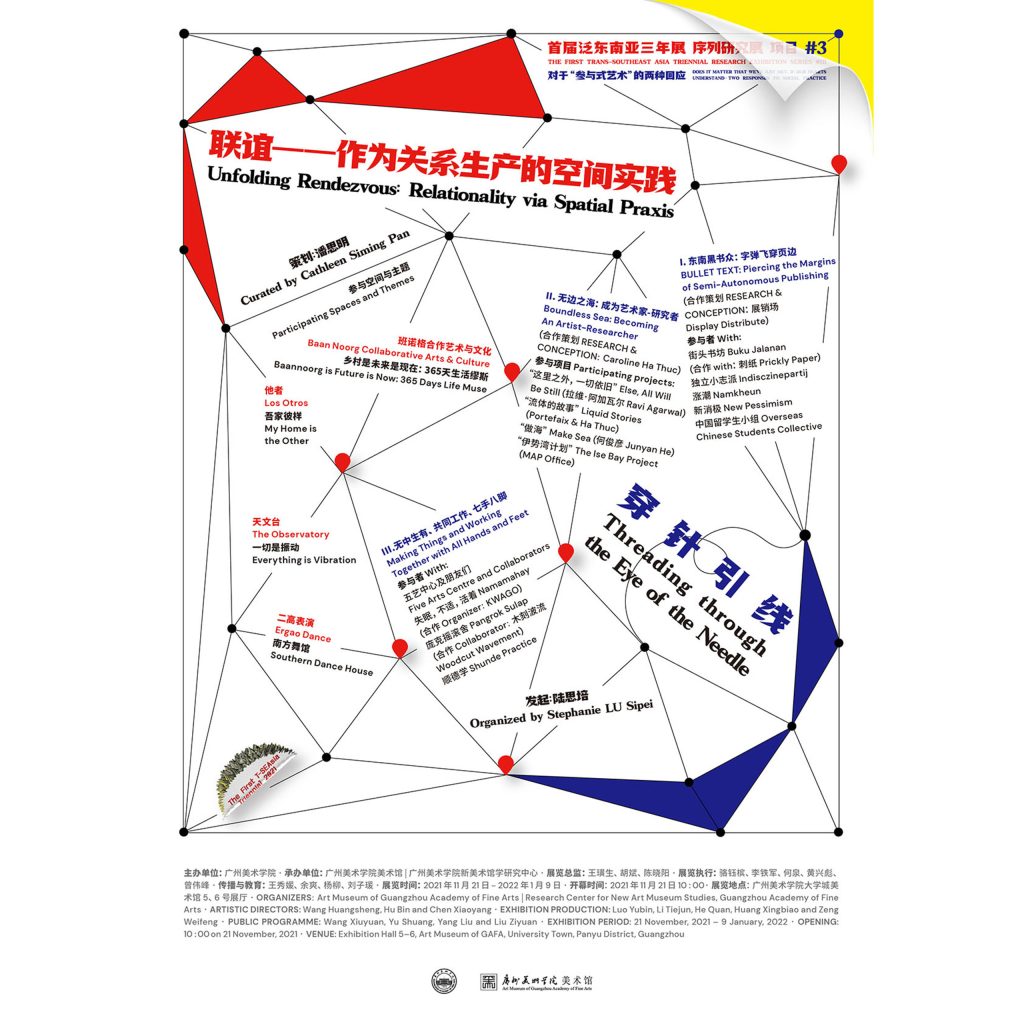
The first Trans-Southeast Asia Triennial research exhibition series PROJECT #3 :Does it matter that we’ve just met, if our hearts understand: Two responses to social practice
November 21, 2021-January 9, 2022 Exhibition Hall 5 and Hall 6, Art Museum of Guangzhou Academy of Fine Arts, University Town, Panyu District
Unfolding Rendezvous: Relationality via Spatial Praxis
Curated by Cathleen Siming Pan
Participating Spaces/Collectives and Themes :
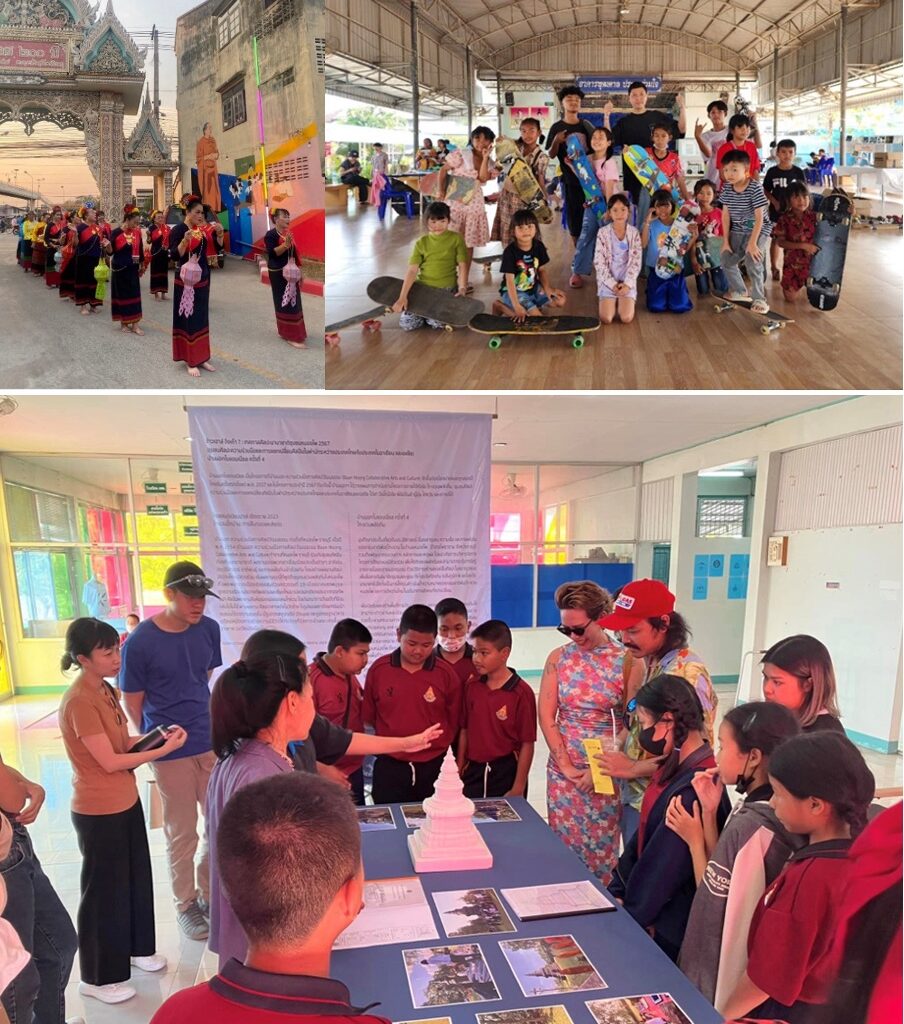
Baan Noorg Collaborative Arts and Culture: Baan Noorg is future is now: 365 days: LIFE MUSE (Thailand)
Los Otros: My Home is the Other (The Philippines)
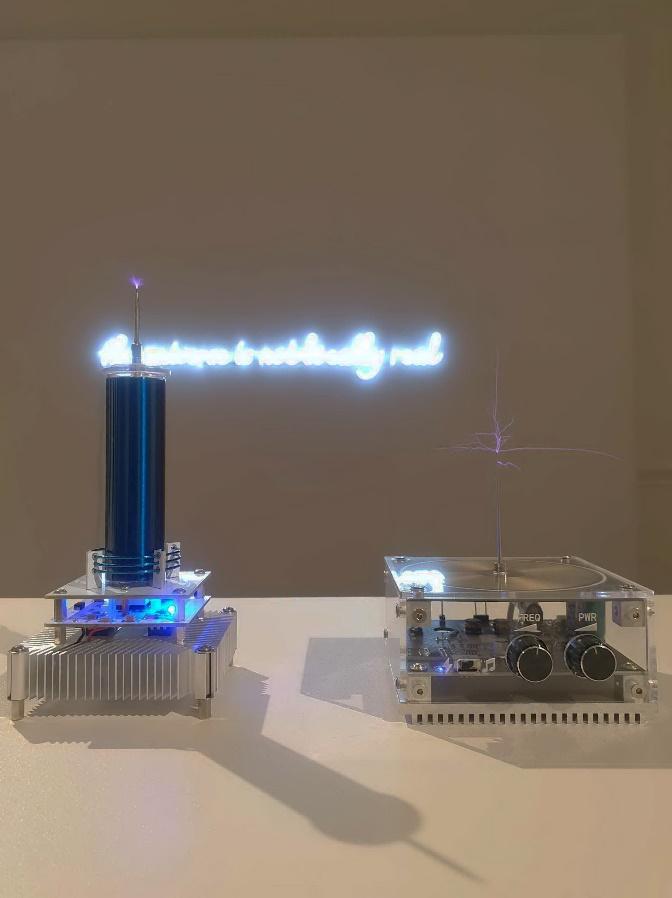
The Observatory: Everything is vibration (Singapore)
Ergao Dance: Southern Dance House (China)
Participating artists and organizations: Baan Noorg Collaborative Arts & Culture , Jiandyin ( Jiradej and Pornpilai Meemalai), Rachan Klomklieng, Chaw Su and Kyaw Moe, Ma Ei, Suraporn Lertwongpaitoon, Varsha Nair, Okui Lala.
Los Otros , Shireen Seno , John Torres ,Melchor Bacani III, Raya MartinRaya Martin,Uncles and Aunts( Tito & Tita ), Jon Lazam , Jangwook Lee.
Observatory, Yeo Siew Hua , Haino Keiji , NUS Guitar Ensemble & NUS Talents , Playfreely Festival , Eric Lee , voice of Bangladesh – day ashram Banglar Kantha-Dibashram , Dan is the ( Than Naing ), Bilal Hussein , Ethan band ( Isan band ), even high-Malay ( Malay Ghosh ), Ujikaji , BlackKajiXtra x Nusasonic ( BlackKajiXtra x Nusasonic ), Second High Performance ( He Qiwo , Zhang Dianling , Liu Qingyu ), Zhang Lu
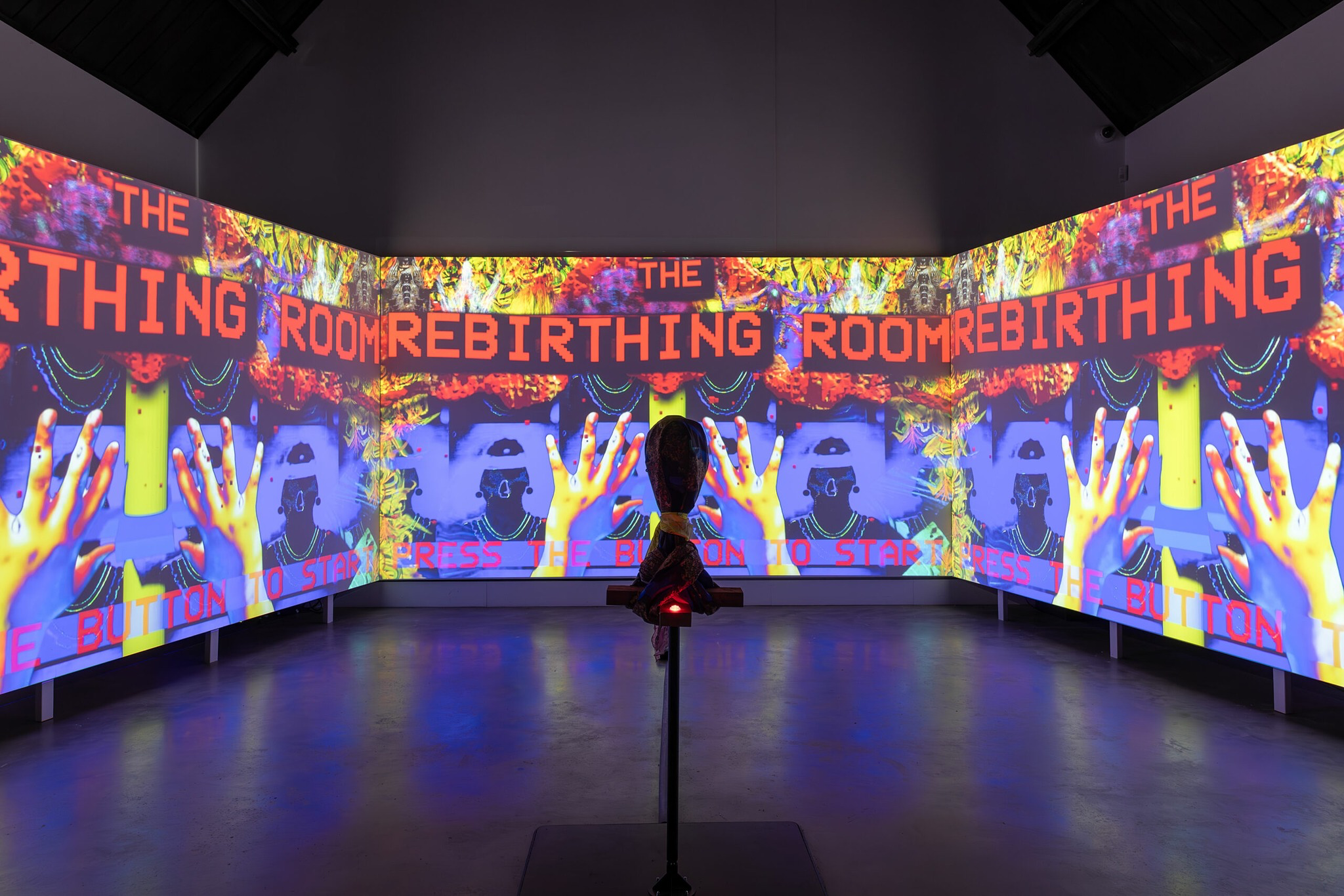
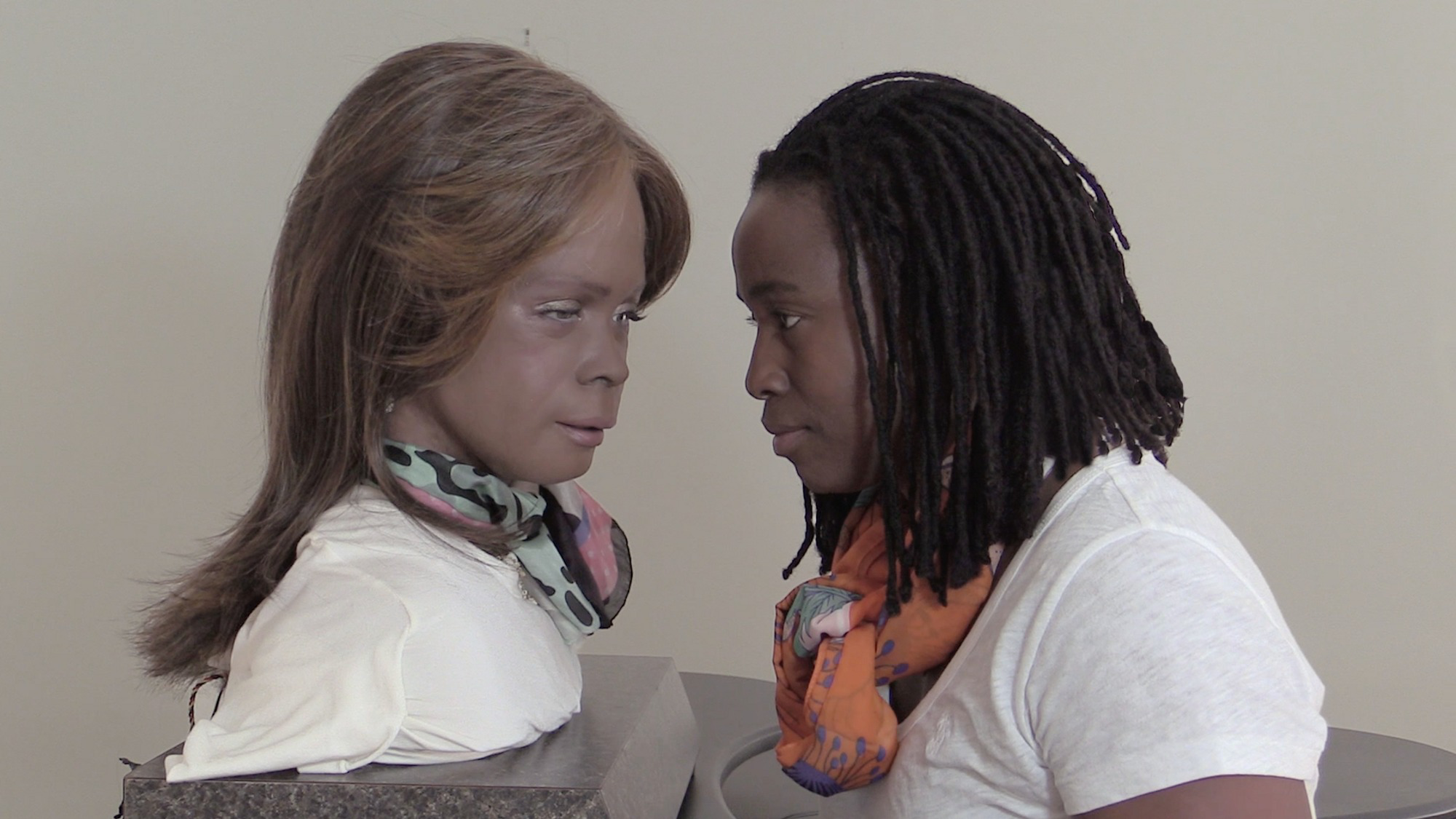
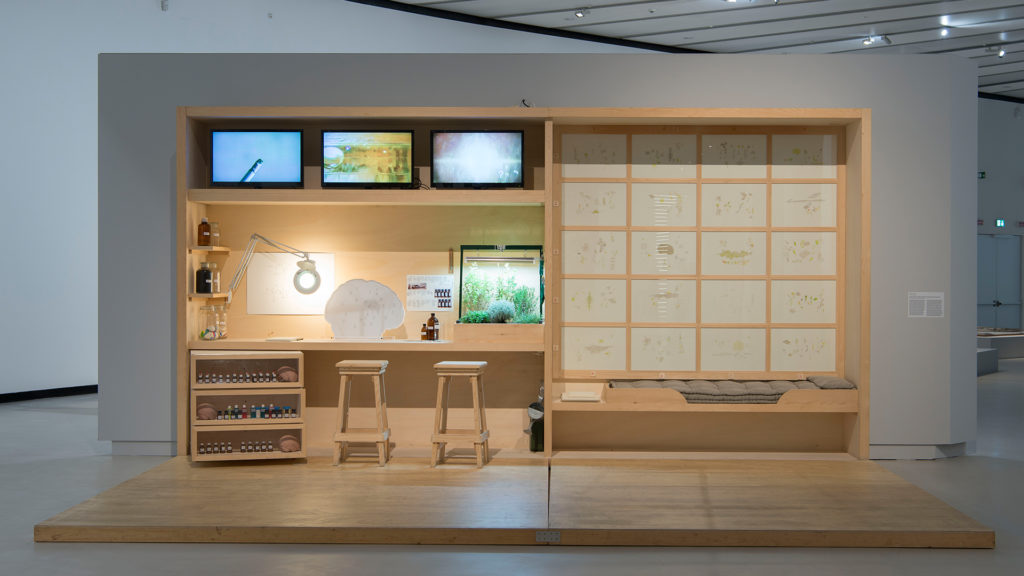
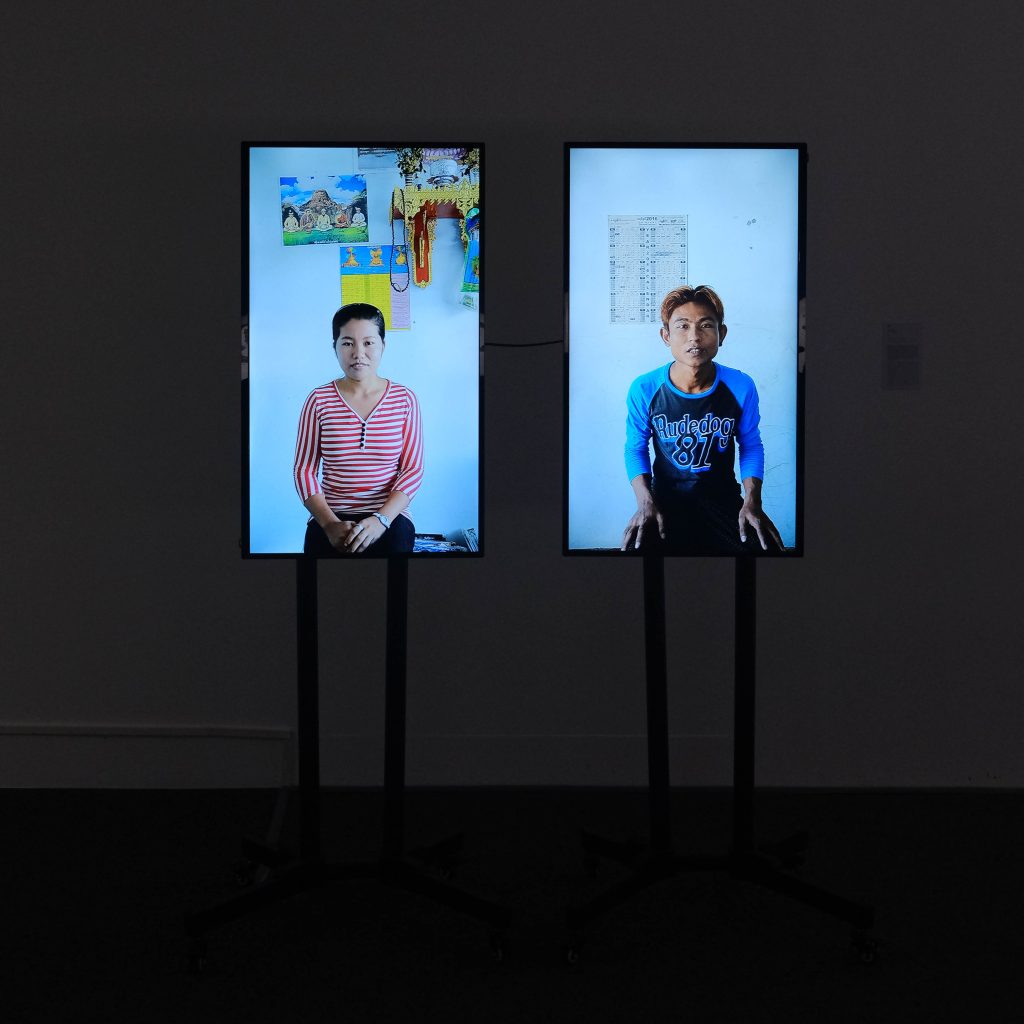
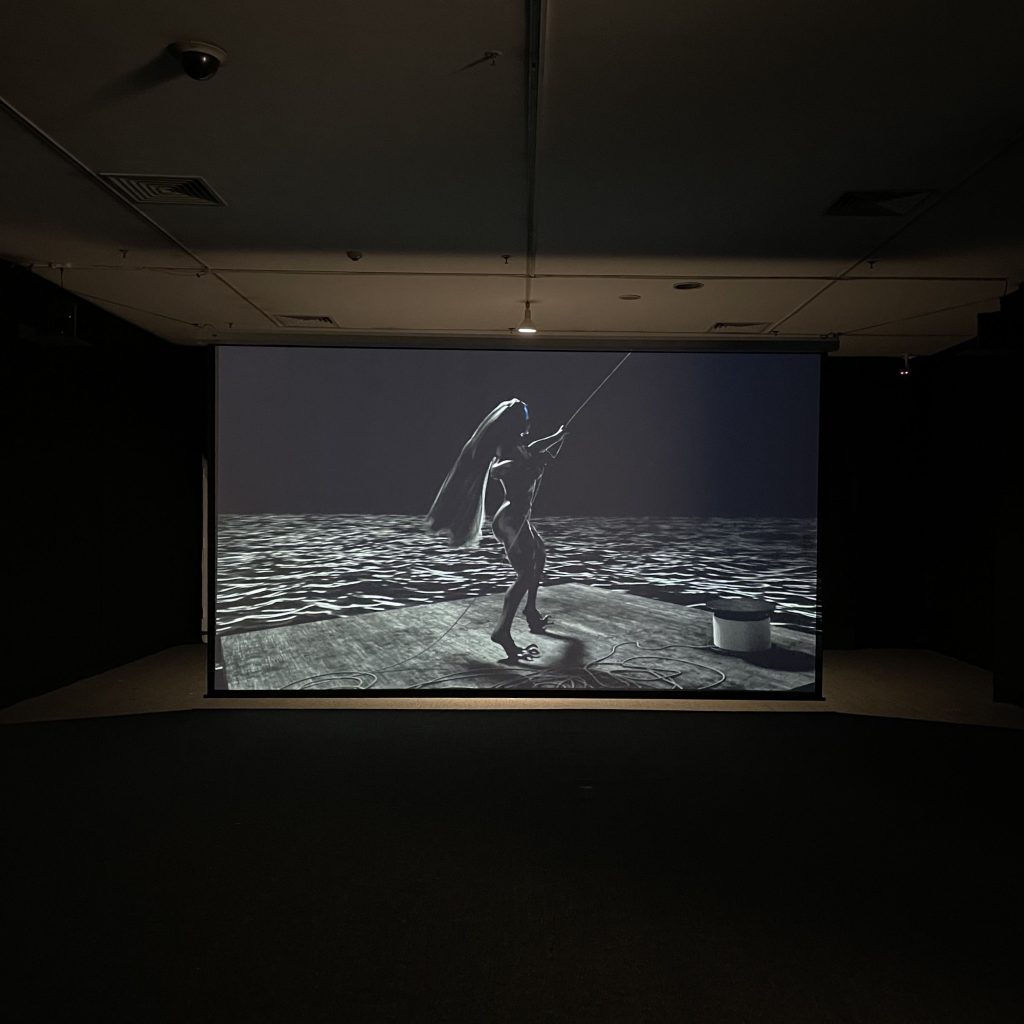
Okui Lala, How Do We Meet? How Could We Meet? I&II, 2016 three-channel video, color, sound, min sec, loop
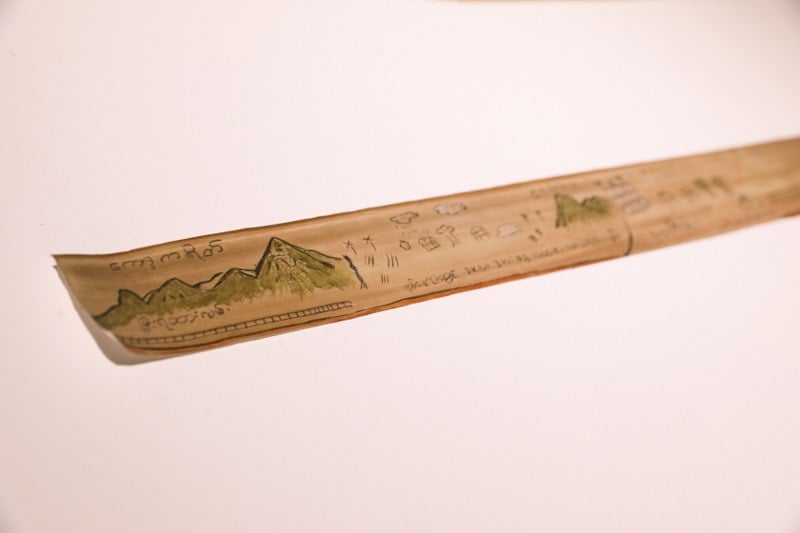
Varsha Nair, Mapping Memory, 2016 collaborative drawing on bai larn (palm-leaf), pencil, ink, egg tempera, 72 x 7 cm each, 21 pcs., text on paper, 21 x 29.5 cm each, 15 pcs.
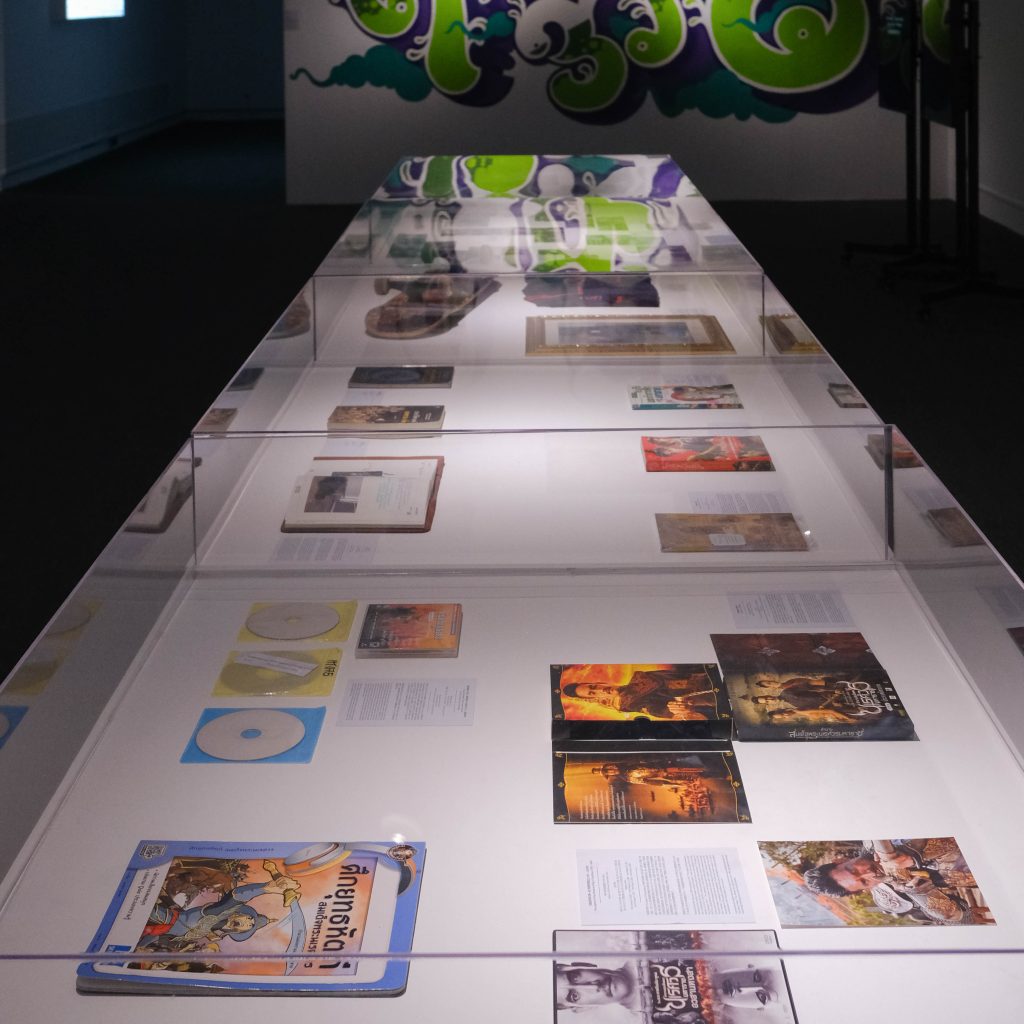
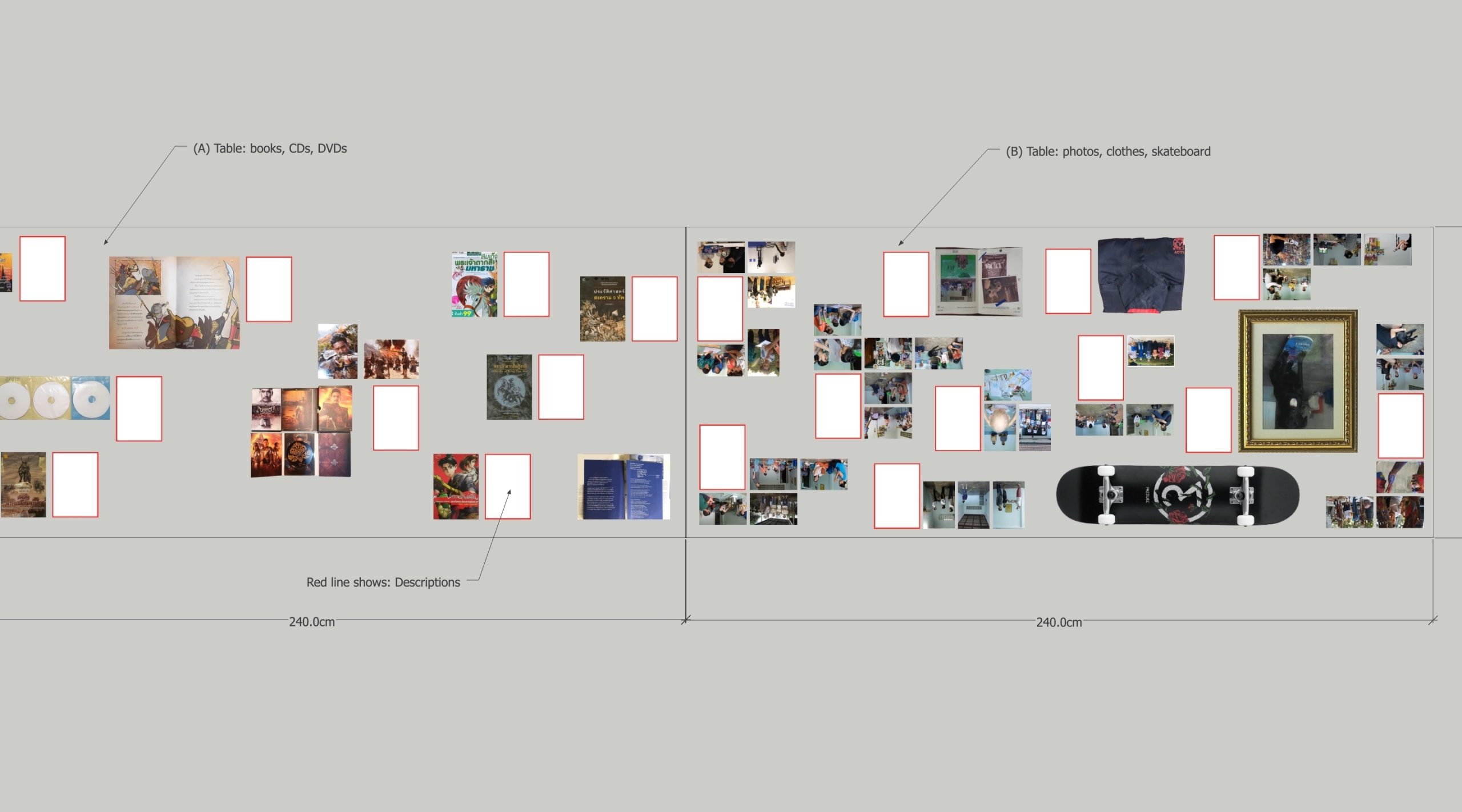
365 days: LIFE MUSE archive Tables in the exhibition
jiandyin, On Adaptation The Lost Capital, 2020 video full HD, 42”LCD TV, 7.18 min., colour, sound, loop
Text by Cathleen Siming PanThis principle of veracity is at the heart of the emancipation experience.——Jacques Rancière, The Ignorant Schoolmaster
“Nanyang”(1) has been the Chinese name of Southeast Asia since Ming and Qing dynasty. The migration trend of “Xia Nanyang” (translator’s note: going down the Southern China seas) by people mostly from Guangdong and Fujian in modern history evokes our closest memory of this region, projecting an imaginary map of friendship, family history and political unity(2). Since the World War II, Southeast Asia(3) has been formally established as the name covering the Indochina peninsula and the Asian portion of the Malay Archipelago. However, the discourse on decolonizationin recent years once again brought up Nusantara, a Javanese notion dated back to the 13th century, in an effort for self-identification. A series of narratives generated by this renewed title and the perception by the subjects compel us to rethink the inter-regional relationship and our inceptive attitude.
Participation is about creating connection actively, whereas the relationship is not built on a unilateral initiation. Rendezvous suggests a sincere participation that encourages both parties for equal engagement. The space hosts objects and generates experiences, making ongoing relationship building and valid participation possible. The exhibition of “Unfolding Rendezvous” attempts to navigate participatory art practices from the variedpractices of “participation”: as practitioners in South China trying tounderstand the already highly interconnected Southeast Asian network, as a method of researching and addressing social issues by artists, as an alternative exploration owing to the absence of space, and as the communal experiences built for different communities by alternative spaces.
Through extended coexistence, presence, gathering, sharing and discussion, these hybrid forms of “participations” gradually move from “assemblage” to “happening”, fabricating social imaginations and connections, expanding creative communities, opening up spaces and platforms in the imperfect art ecosystem, and upscaling the diversity of the art infrastructure. While constructing the discourse of their own practice, the artists as space organizers and event curators are also able to encounter work-centered routine conversations different from those within the art system. Both the artists’ individual creations and the communities in which they work grow and react to one another in an ongoing loop of happening.
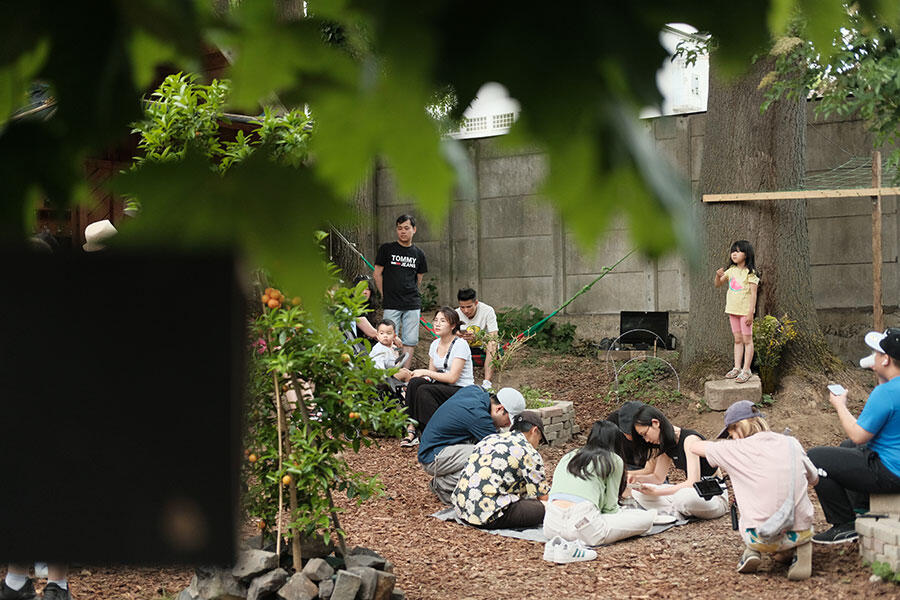
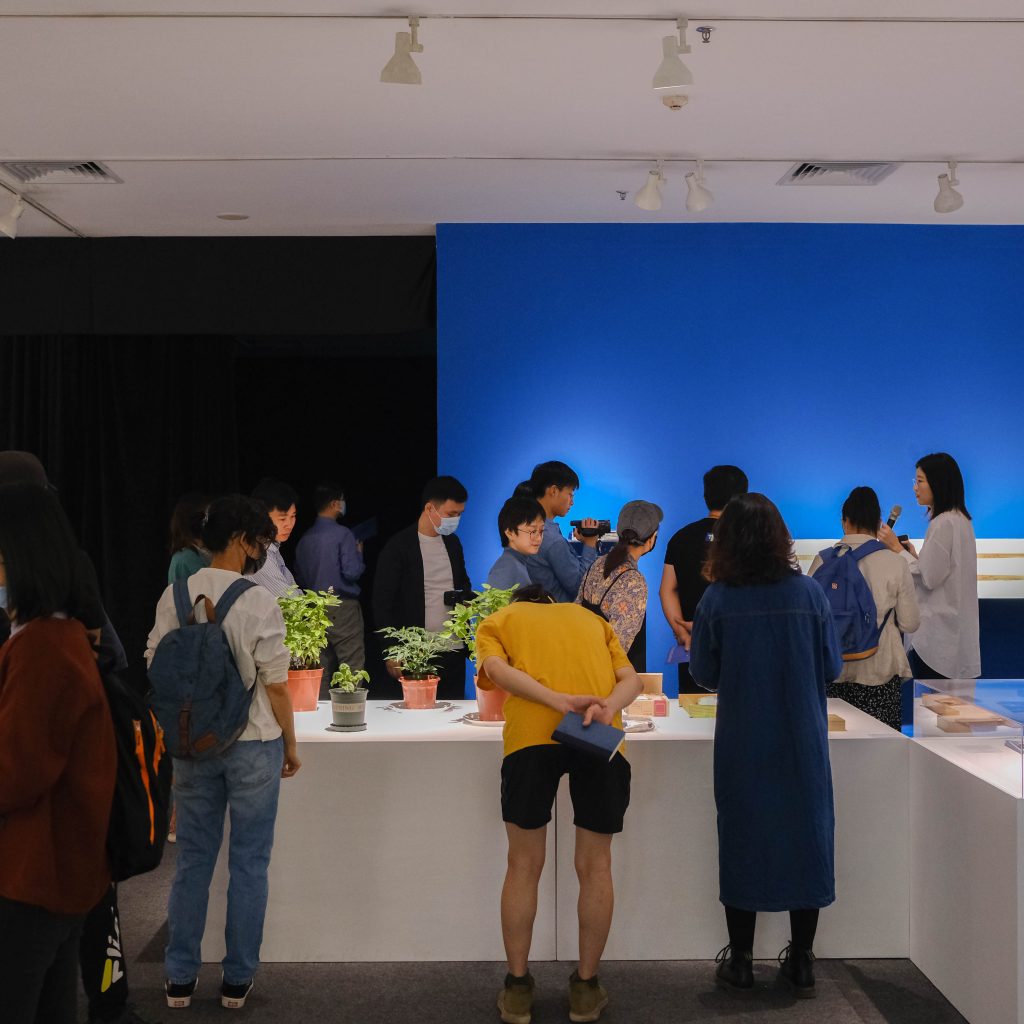
“Unfolding Rendezvous: Relationality via Spatial Praxis” invites four artist-run alternative spaces and collectives in an attempt to present a mutually enriching state of art creation and platform build-up. They have been engaging in lengthy indigenous practices in Ratchaburi (Thailand), Quezon City (Manila), Singapore and Guangzhou through the media in which they excel respectively, and renewing the action of “participation”, from being socially “aware”, “interventional” and “engaged” to “participatory” in specific social contexts and experiences. Theses experiences of spatial praxis are scattered in the exhibition as individual rooms with different degrees of openness and distinctive characters, transferring the process of their practices for the audience who are not in sync with the art creation process, and inviting them to be part of the constellation.
1 郑观应《盛世危言·海防上》:“昔泰⻄各强敌,越国鄙远而来。今而南洋各岛,悉为占据。则边鄙已同接壤,郊坰无异户庭也。”.2 Françoise Vergés, Writing on Water:Peripheries, Flows, Capital,and Struggles in the Indian Ocean, East 2Cultures Critique, Volume 11, Number 1, Spring 2003,241-257, published by Duke University Press3 https://asean.org/…
Host: Guangzhou Academy of Fine Arts
Organizers: Art Museum of Guangzhou Academy of Fine Arts / Research Center for New Art Museum Studies, Guangzhou Academy of Fine Arts
Honorary General Counsel: Li Jinkun
General Counsel: Apinan Persianada, Guo Jianchao, Hou Hanru
Academic advisors: Deng Qiyao, Yang Xiaoyan
Project Director: Wang Huangsheng, Hu Bin, Chen Xiaoyang
Planning and launching: Pan Siming, Lu Sipei
Space design and support: Guo Zhenjiang, Chen Xujie, Ji Yinan, Wang Chao
Visual design: Cai Yunqi
Project execution: Luo Yubin, Li Tiejun, He Quan, Huang Xingbiao, Zeng Weifeng
Communication and Education: Wang Xiuyuan, Liu Ziyuan, Yu Shuang, Yang Liu
Special support for project production: Xu Ran
Research collaboration: Ye Shaobin (Sau Bin Yap), Chen Yanxin
Production cooperation: Wen Shiwen, Tan Yuqi, Huang Xiaoxing, Chen Yanxin, Lin Caiyi, Guo Baoyu, Wen Chejun, A Le
จัดแสดงที่หอศิลป์มหาวิทยาลัยศิลปากร ณ ขณะนี้ เป็นโครงการที่สนับสนุนทุนสร้างสรรค์ผลงานทัศนศิลป์ ตามโครงการที่ศิลปินแต่ละท่านได้นำเสนอเข้ามาเพื่อให้คณะกรรมการคัดเลือก อย่างที่กล่าวมาในหลาย EP ครั้งนี้ก็เช่นกันผู้รับทุนอาศัยกระบวนการวิจัยเชิงปฏิบัติการทางศิลปะ(process and research base art ) เพื่อสร้างกรอบแนวทางในการนำเสนอผลงานของเขา
โครงการที่สนับสนุนทุนสร้างสรรค์ผลงานทัศนศิลป์ โดยศิลปินแต่ละท่านนำเสนอหัวข้อเข้ามาเพื่อให้คณะกรรมการคัดเลือก การคัดสรรศิลปินในปีนี้คณะกรรมการได้มุ่งความสนใจต่อผลงานที่มีกระบวนการคิดและวิจัยเชิงปฏิบัติการทางศิลปะ(process and research base art )เป็นสำคัญ
ณ จุดนี้ศิลปินมีความพยายามกระทำการต่อต้านขัดขืนต่อตัวแบบที่คงที่ตายตัวของอนุสาวรีย์ หรือการต่อต้านขัดขืนความคิดที่นำไปสู่การสร้างมาตรฐานหลัก และการรับรู้ร่วมของคนในสังคมซึ่งแสดงผ่านภาษาในเชิงทัศน์ศิลป์ ของการเป็นตัวแทนต้นแบบคงที่อันแน่นอนตายตัว การเมืองของการเป็น-ส่วนเสี้ยวเช่นนี้จึงเป็นการต่อต้านขัดขืนอำนาจ ซึ่งเดอเลิซเรียกมันว่า “ตัวตนที่ปราศจากรูป” (a body without organs) ซึ่งพร้อมจะเชื่อมต่อและเปลี่ยนแปลงได้เสมอ เป็นการเชื่อมต่อที่นำไปสู่การสลายเส้นแบ่งต่างๆ ที่ดำรงอยู่พร้อมกับนำไปสู่การลากเส้นแบ่งใหม่อยู่ตลอดเวลา
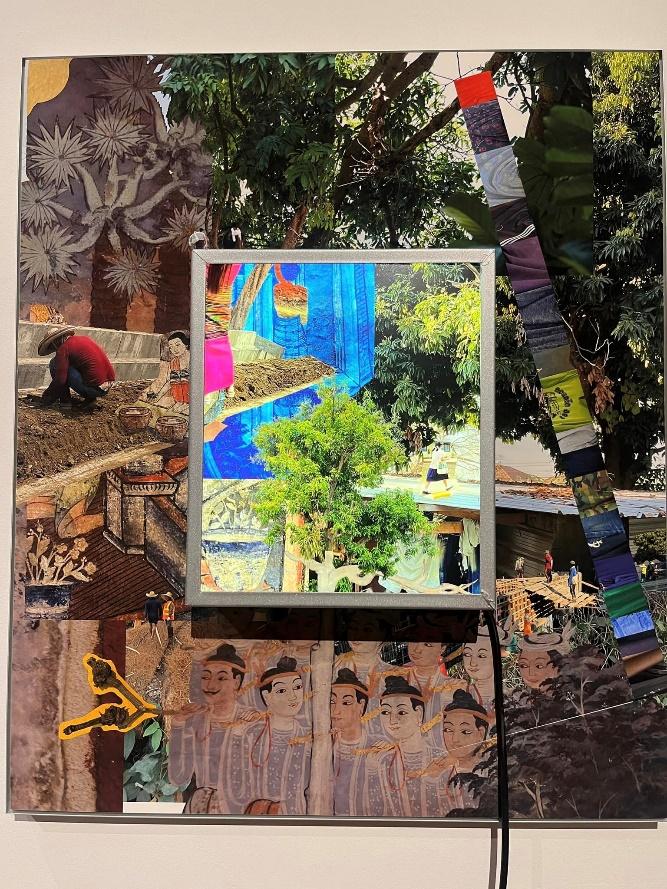
Memory and Forgetting ผลงานสื่อผสม โดยอติ กองสุข ที่มาภาพ: นิทรรศการฯ
จัดแสดงที่หอศิลป์มหาวิทยาลัยศิลปากร ณ ขณะนี้ เป็นโครงการที่สนับสนุนทุนสร้างสรรค์ผลงานทัศนศิลป์ ตามโครงการที่ศิลปินแต่ละท่านได้นำเสนอเข้ามาเพื่อให้คณะกรรมการคัดเลือก และโดยเฉพาะในการคัดสรรศิลปินในปีนี้คณะกรรมการได้มุ่งความสนใจต่อผลงานที่มีกระบวนการคิดและวิจัยเชิงปฏิบัติการทางศิลปะ(process and research base art )เป็นสำคัญ
จัดแสดงที่หอศิลป์มหาวิทยาลัยศิลปากร ณ ขณะนี้ เป็นโครงการที่สนับสนุนทุนสร้างสรรค์ผลงานทัศนศิลป์ ตามโครงการที่ศิลปินแต่ละท่านได้นำเสนอเข้ามาเพื่อให้คณะกรรมการคัดเลือก และโดยเฉพาะในการคัดสรรศิลปินในปีนี้คณะกรรมการได้มุ่งความสนใจต่อผลงานที่มีกระบวนการคิดและวิจัยเชิงปฏิบัติการทางศิลปะ(process and research base art )เป็นสำคัญ
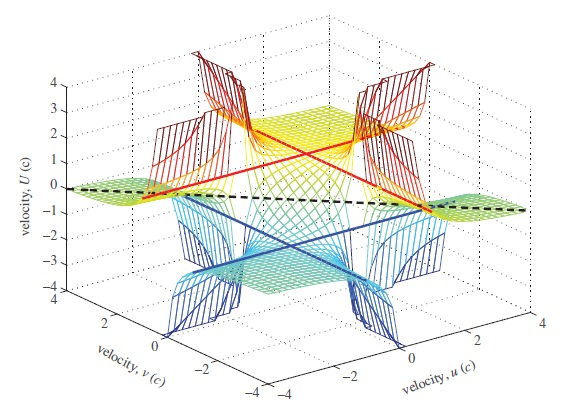
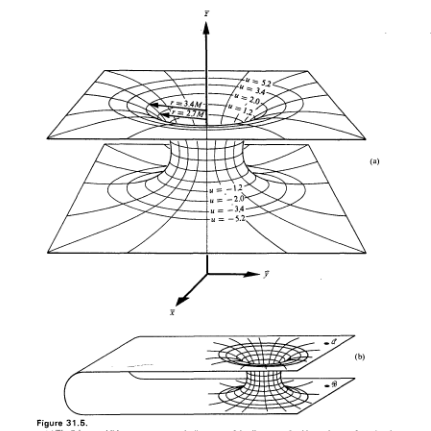
แนวคิดการรวมปริภูมิและเวลาเข้าด้วยกันนั้นถูกนำเสนอครั้งแรกในปี 1908 โดยนักคณิตศาสตร์ฟิสิกส์ ที่ชื่อ Hermann Minkowski และนิยามไว้ในทฤษฎีสัมพัทธภาพพิเศษ (Special Relativity ) ของ Albert Einstein ในปี 1905 เพื่อแสดงความสัมพันธ์หนึ่งเดียวของวัตถุต่าง ๆ ในจักรวาลกับเวลา ทฤษฎีสัมพัทธภาพพิเศษปรากฏในบทความของ Einstein หัวข้อ “เกี่ยวกับพลศาสตร์ไฟฟ้าของวัตถุซึ่งเคลื่อนที่ (On the Electrodynamics of Moving Bodies)” ได้กลายเป็นทฤษฎีที่หักล้างแนวคิดปริภูมิสัมบูรณ์ และเวลาสัมบูรณ์ของนิวตันไปอย่างสิ้นเชิง โดยการยืนยันว่าระยะทางและเวลา ปริภูมิกับเวลาที่ต่างกันนั้นขึ้นอยู่กับผู้สังเกตการณ์ เพื่ออธิบายว่าทำไมเวลาของแต่ละเหตุการณ์จึงเดินไม่เท่ากัน
นิทรรศการ Asian Art Biennial 2019 จัดแสดงขึ้นที่พิพิธภัณฑ์ศิลปะสถานแห่งชาติไต้หว้น (National Taiwan Museum of Fine Arts) เมืองTaichung Taiwan เพิ่มเสร็จสิ้นไปเมื่อช่วงต้นปีที่ผ่านมาในเดือนกุมภาพันธ์ ขณะเดียวกันกับที่โรคระบาดสายพันธ์ใหม่ Coronavirus เริ่มขยายตัวและแพร่ระบาดในภูมิภาคเอเชีย
ใน Asian Art Biennial ประจำปี 2019 กระทรวงวัฒนธรรม โดยพิพิธภัณฑ์ศิลปะสถานแห่งชาติไต้หวัน ได้เลือดสรรภัณฑารักษ์ร่วม 2 ท่าน ได้แก่ Hsu Chia-Wei จากไต้หวัน และ Ho Tzu-Nyen จากสิงคโปร์ โดยระบุในเอกสารว่า “ศิลปิน-ภัณฑารักษ์”
หมายความว่าภัณฑารักษ์ในนิทรรศการครั้งนี้เป็นศิลปิน คำถามต่อมาว่าทำไม Asian Art Biennial 2019 จึงไม่เชิญภัณฑารักษ์ที่มีพื้นฐานงานภัณฑารักษ์หรือบริหารจัดการศิลปะ เพื่อมาออกแบบสร้างชุดความรู้ในประเด็นต่างๆ และการที่ศิลปินทำหน้าที่ภัณฑารักษ์นั้นสร้างความแตกต่างอย่างไรในแนวทางและวิธีบริหารจัดการร่วมกับศิลปินที่ภัณฑารักษ์เชิญให้เข้าร่วมในงานนิทรรศการครั้งนี้
จากมุมมองของผู้เข้าร่วมโครงการฯ พบว่า(ศิลปิน)ภัณฑารักษ์ ทั้ง 2 ท่าน แบ่งหน้าที่ดูแลและบริหารจัดการ โครงการฯได้อย่างมีนัยสำคัญ เมื่อดูจากผลงานศิลปะที่จัดแสดงในนิทรรศการครั้งนี้ก็พบว่า ศิลปินและผลงานที่ได้ คัดเลือกเข้าร่วมนิทรรศการฯ ส่วนใหญ่ เป็นศิลปินที่สร้างผลงานในลักษณะโครงการวิจัยทางทัศนศิลป์ (artistic research based project) อาทิเช่น Antariksa, Yuchiro Tamura, Ho Rui An, Timur Si-Qin, Ise Roslisham Ismail, jiandyin ฯลฯ
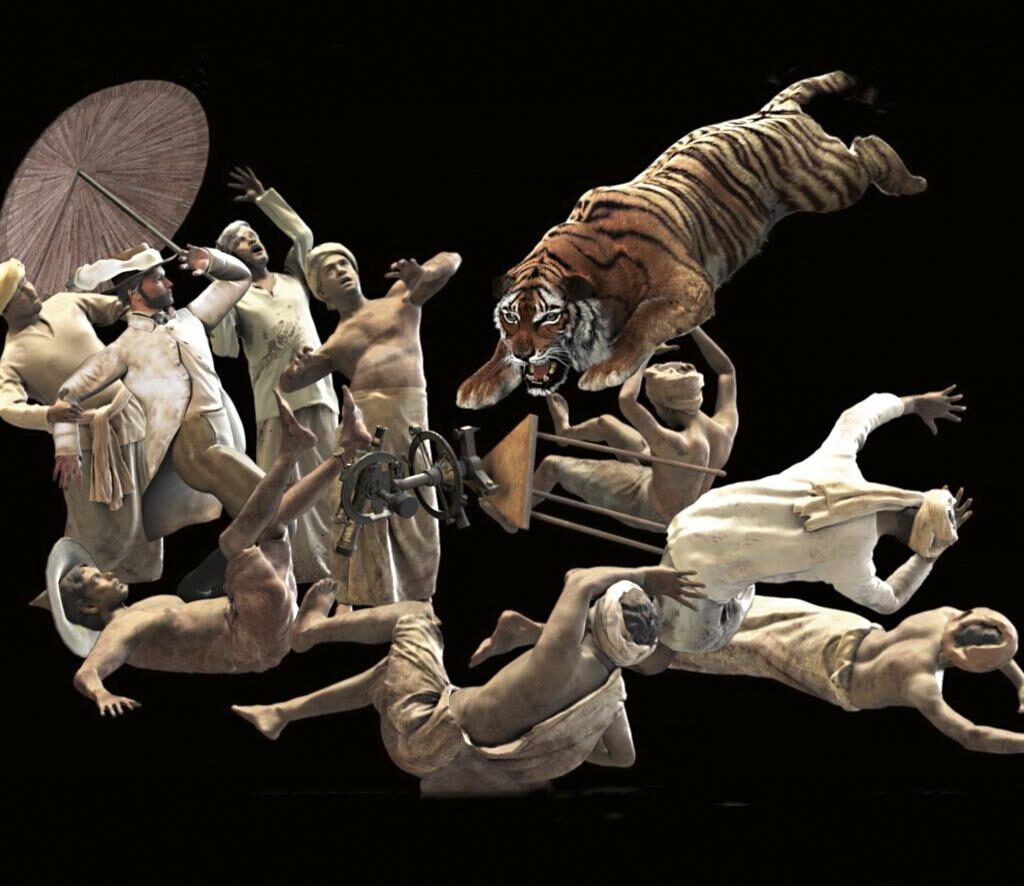
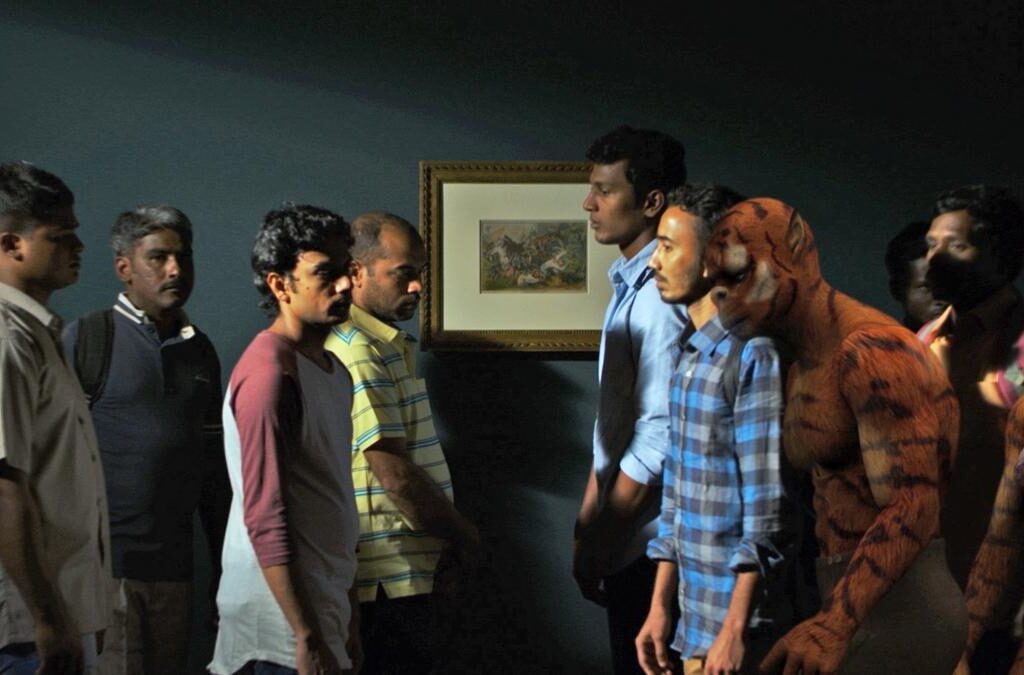
เมื่อย้อยกลับไปดู time line ผลงานที่สร้างชื่อเสียงแก่(ศิลปิน)ภัณฑารักษ์ ทั้ง 2 ท่านนั้น พบว่าตัวอย่างผลงานชุด series projects: Tigers ของ Ho Tzu-Nyen และผลงาน Huai Mo Village 2012-2017 , Marshal Tie Jia –Turtle Island 2514-2015 ของ Hsu Chia-Wei ล้วนแต่เป็นโครงการระยะยาวที่มีความสลับซับซ้อน ด้านสหวิยาการศิลป์เชิงงานวิจัย(interdisciplinary arts research base project) และมีชั้นเชิงทางสุนทรียภาพสูงมากทีเดียว
ผลงาน series projects 2017-: Tigers ของ Ho Tzu-Nyenผลงาน series projects 2017-: Tigers ของ Ho Tzu-Nyen
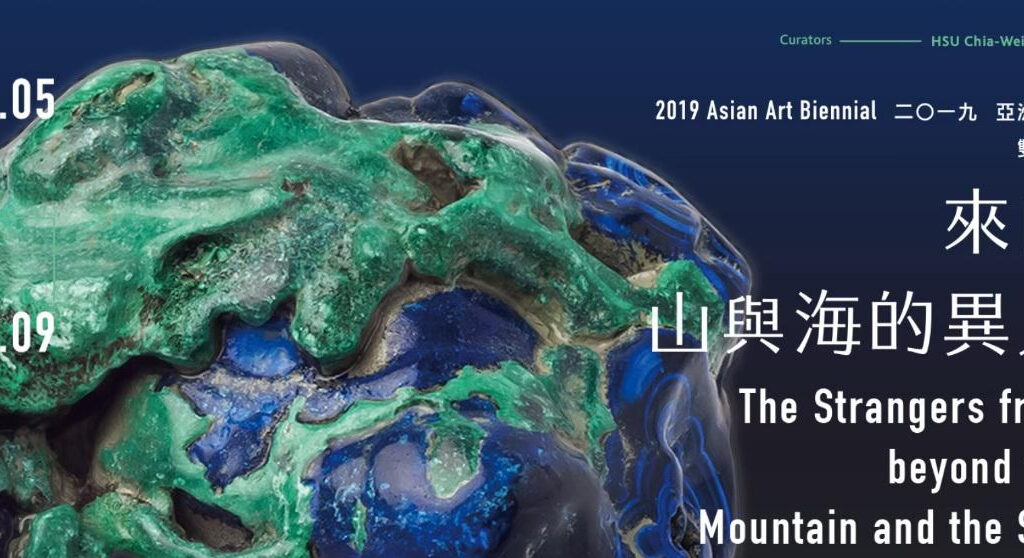
ภาพ ใบปิดนิทรรศการ 2019 Asian Biennial: The Strangers from Beyond the Mountain and the Sea
แนวคิดภัณฑารักษ์ใน 2019 Asian Biennial ในชื่อ The Strangers from Beyond the Mountain and the Sea ครั้งนี้ มุ่งความสนใจไม่เฉพาะการตั้งประเด็นคำถามหรือ กระบวนการในการหาคำตอบ ด้วยหลักคิดสัมพัทธ์เชิงภูมิรัฐศาสตร์ของพื้นที่หรือสถานที่ในการจัดนิทรรศการนั้นคือ เกาะไต้หวันซึ่งตั้งอยู่บนภูมิศาสตร์ที่ยึดโยงกับภูมิภาคทางด้านเอเชียตะวันออกเฉียงใต้และเอเชียตะวันออกเฉียงเหนือ
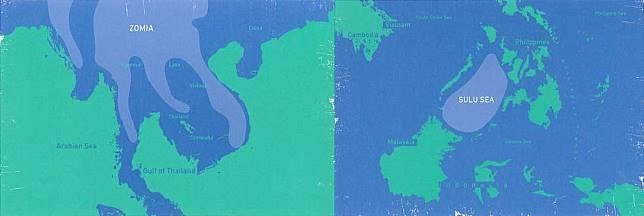
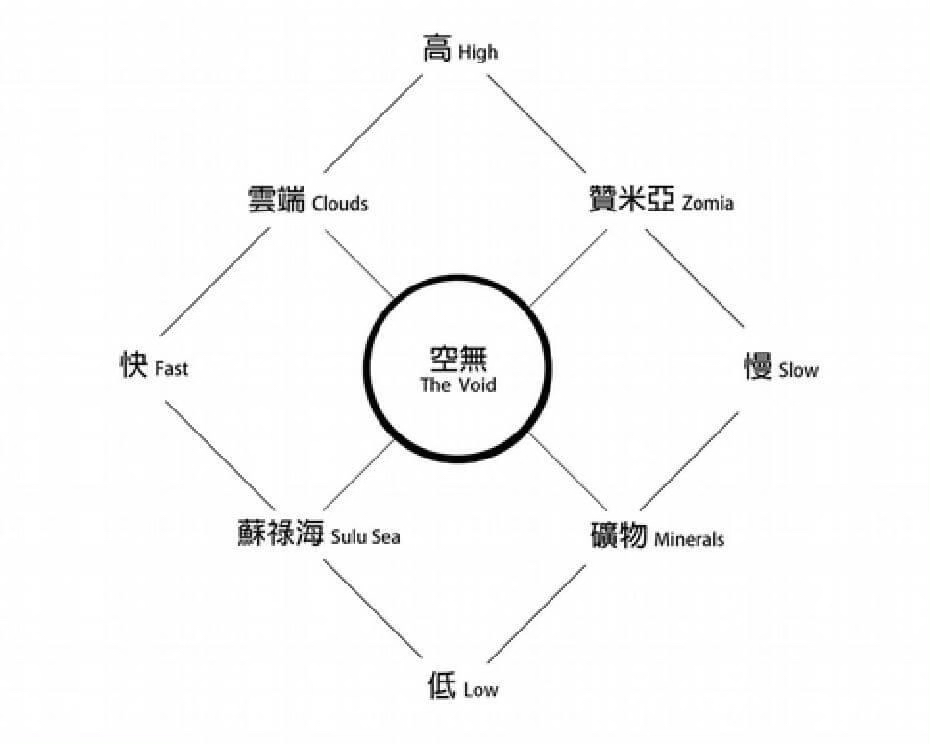
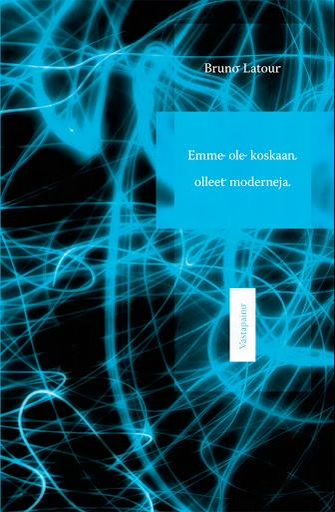
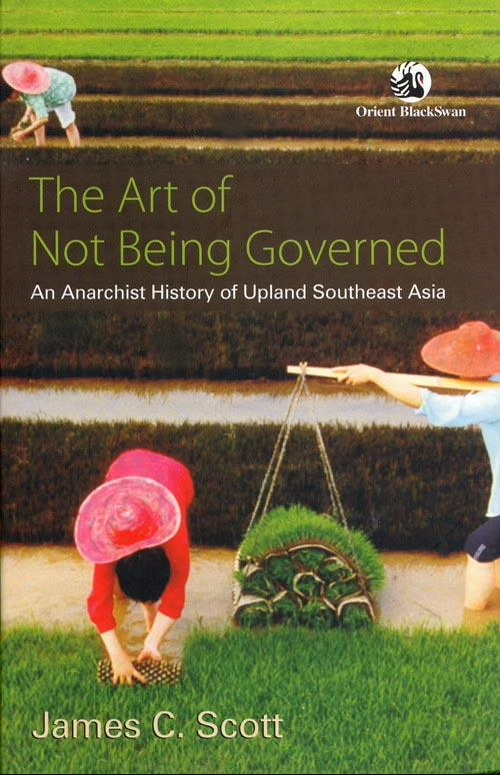
ภัณฑารักษ์อ้างอิงผลงานวิจัยที่มีความสำคัญต่อภูมิภาคเอเชีย และเอเชียตะวันออกเฉียงใต้เล่มหนึ่งชื่อ The Art of Not Being Governed เขียนโดย James C. Scott และหนังสือ We Have Never Been Modern เขียนโดย Bruno Latour จุดอ้างอิงที่เชื่อมต่อกันกลายเป็นประเด็นที่ชี้ให้เห็นถึงพัฒนาการ และความเป็นไปในภูมิภาคฯ มีความเกี่ยวโยงสัมพันธ์กัน ด้วยลักษณะของชั้นตะกอนทางประวัติศาสตร์ทับถมและซ้อนทับนับตั้งแต่อภิมหาบรมยุค (Supereon) ถึงปัจจุบัน
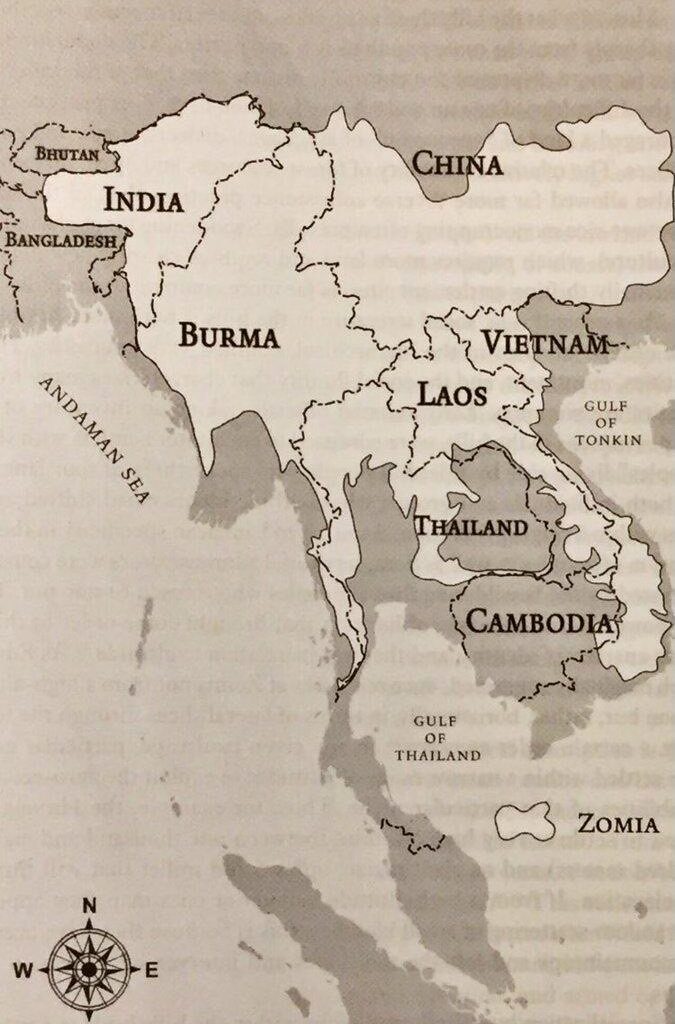
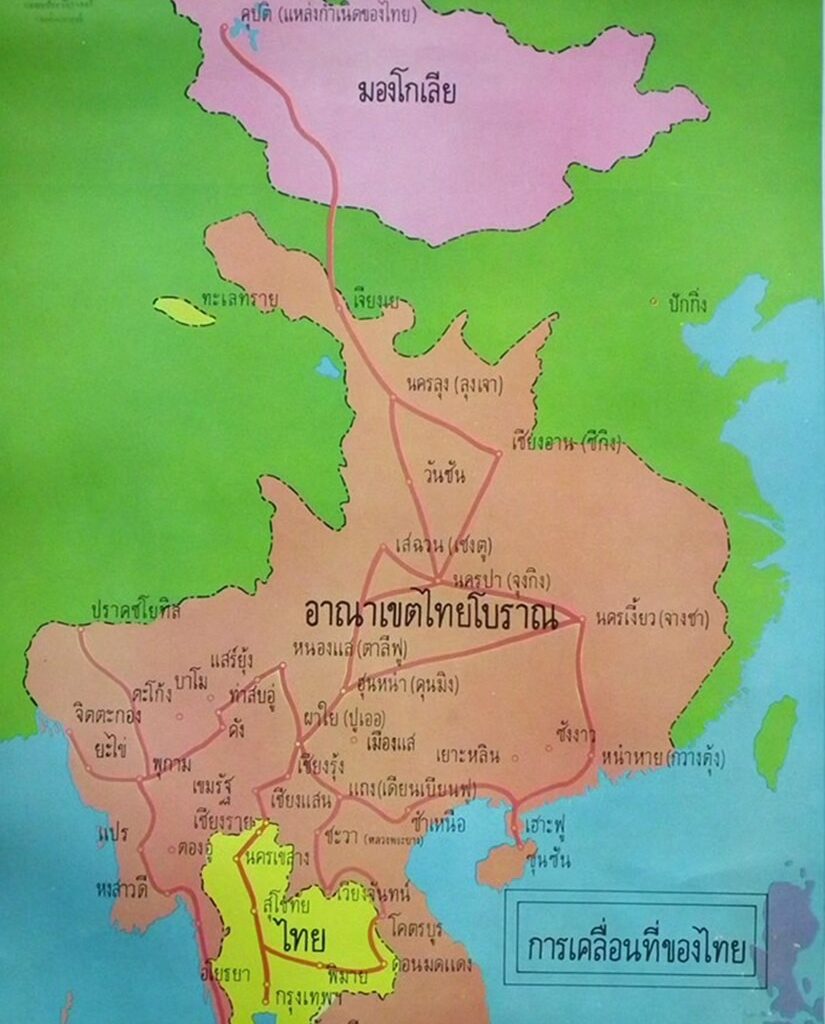
เอกสารของ James C. Scott ระบุว่าพื้นที่ Zomia เป็นพื้นที่ไร้รัฐ ที่มีผู้คนอาศัยอยู่มานานนับพันปี เป็นพื้นที่บนภูเขาสูงซึ่งมีประชากรรวมกันกว่า 80 ล้านคน เป็นพื้นที่ที่คนจากพื้นราบใช้หลีกหนีการควบคุมจากอำนาจรัฐ ซึ่งไต่ขึ้นไปไม่ถึงและเป็นที่หลบซ่อนของใครหลายคน โดยทั่วไปแล้วพวกเขามีกองกำลังติดอาวุธเป็นของตนเอง
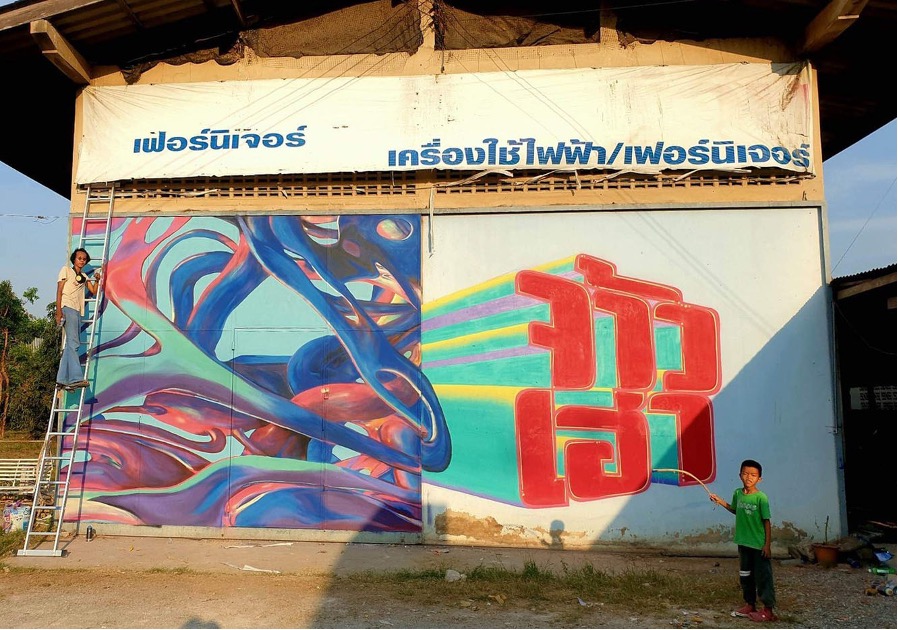
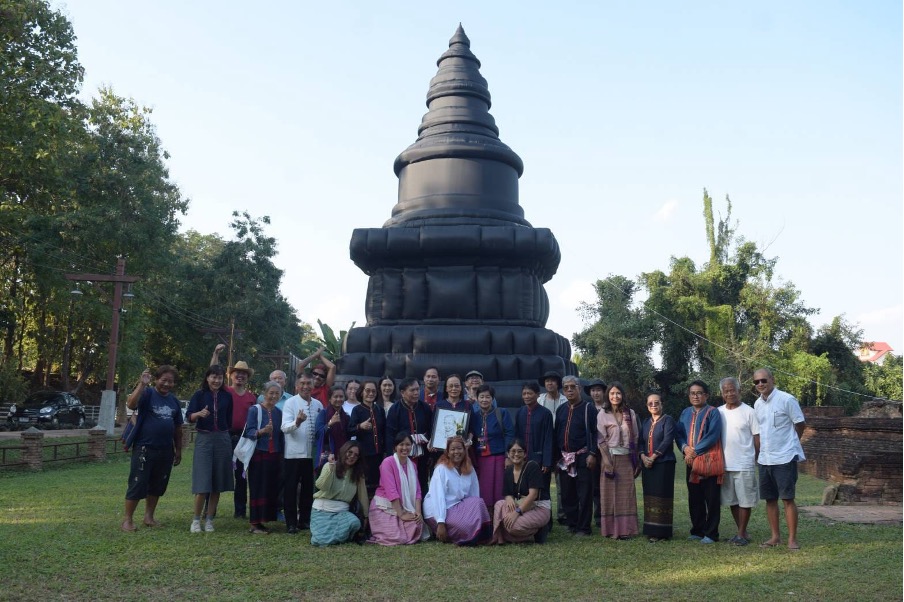
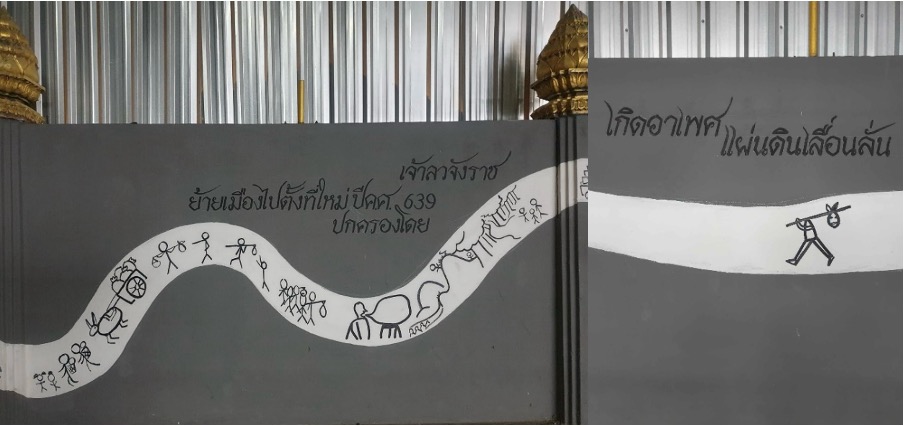
จิตรกรรมบนกำแพงวัดหนองโพ Myth of Giant White Eel, 2024 Artist: Dan Perjovschi (RO) in collaboration with Nongpho community elementary school students and baannoorg team
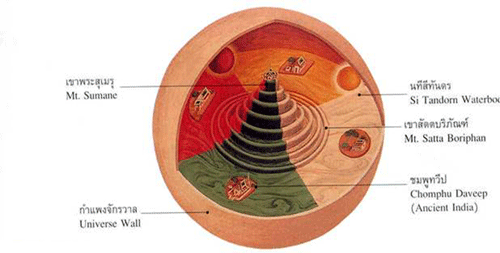
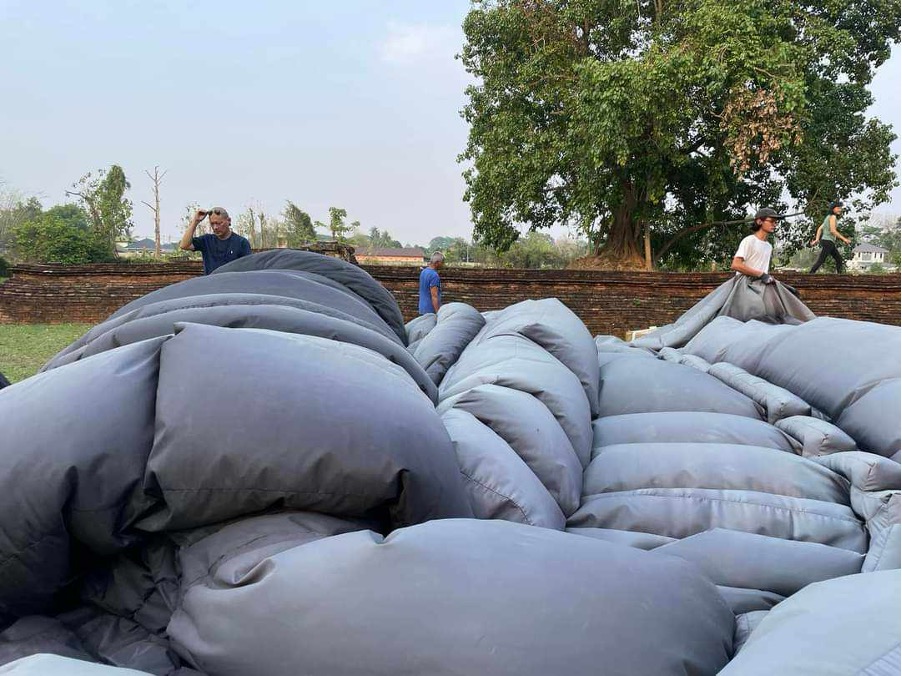
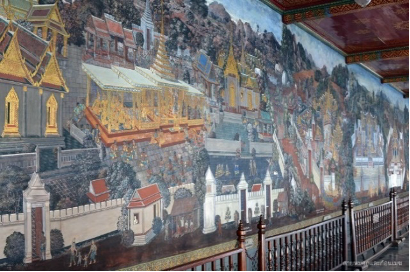
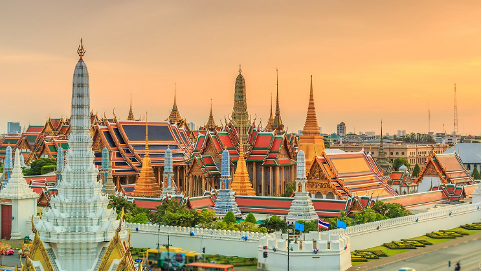
Churning Milk: The ritual of things (2022) A collaborative and participatory art project ได้หยิบยกประเด็นทางการเมืองที่แฝงอยู่ในรามเกียรติ์ฉบับภาษาไทยที่แต่งขึ้นในสมัยรัชกาลที่ 1 ช่วงต้นรัตนโกสินทร์ รุ่งโรจน์ ภิรมย์อนุกูล ระบุว่านอกจากรัชกาลที่ 1 ได้ทรงพระราชนิพนธ์รามเกียรติ์แล้วพระองค์ได้ทรงให้จารึกโคลงภาพรามเกียรติ์ ติดตั้งบนฝาพนังระเบียงคดวัดพระแก้ว หรือวัดพระศรีรัตนศาสดาราม พระบรมมหาราชวัง ซึ่งสร้างขึ้นพร้อมกับการสถาปนากรุงรัตนโกสินทร์ ในปี พ.ศ. 2325 อีกด้วย
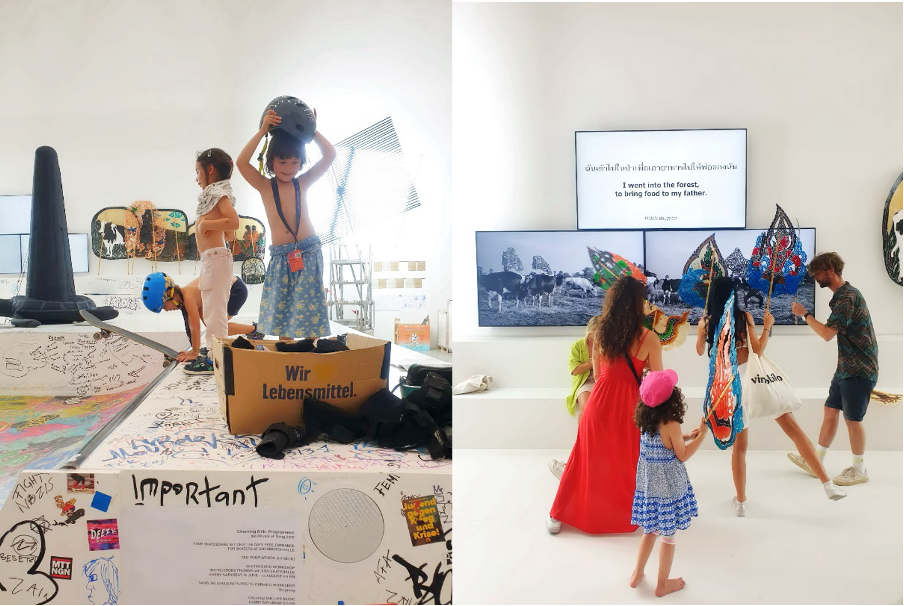
กลุ่มศิลปิน Baan Noorg Collaborative Arts and Culture ได้ออกแบบพื้นที่จัดแสดงในรูปแบบ Multimedia installation เพื่อเป็นพื้นที่ทางศิลปะเชิงปฏิบัติการ(Activities base art) และอาศัยการมีส่วนร่วมของผู้ชมเป็นตัวขับเคลื่อนให้องคาพยพหรือส่วนต่างๆ ของผลงานศิลปะได้ดำเนินไปอย่างต่อเนื่องอย่างเป็นผลวัตตลอดระยะเวลาจัดแสดง 100 วัน และเพื่อสร้างประสบการณ์ร่วมกัน(Experience sharing) ระหว่างชิ้นผลงานศิลปะ กลุ่มศิลปินฯ และผู้ชม ฯลฯ
Churning Milk: The ritual of things: พื้นที่ทางศิลปะเชิงปฏิบัติการ(Activities base art)
ในทัศนะของ John Dewey (b. 1859 – 1952) การทำความเข้าใจถึงแก่นสาระและลักษณะพิเศษของกระบวนการที่ผลงานศิลปะได้สำแดงออก คือหลักการขั้นพื้นฐานที่พัฒนาไปสู่ประสบการณ์และการรับรู้ของมนุษย์ ผ่านการสำแดงออกของผลงานศิลปะ การผลักดันและแรงกระตุ้นจากศิลปินรวมถึงความตื่นตัวของผู้ชม ได้กลายเป็นส่วนหนึ่งของการแสดงแบบด้นสดสนับสนุนกันไปมาระหว่าง material and mental environments, and their culture at large ในพื้นที่จัดแสดง เพื่อให้ผู้ชมตั้งคำถามต่อตัวบทไปพร้อมๆ กัน โดยอาศัยประสบการณ์ร่วมเหล่านั้นปะติดปะต่อภาพ เพื่อการตีความหรือให้ความหมายใหม่ เป็นสิ่งที่เปิดกว้างสำหรับผู้ชมหรือผู้เข้าร่วมกิจกรรม โดยคำนึงถึงความเป็นจริงที่ว่าสหบท(intertextuality) คือตัวแปรสำคัญด้วยความคิดพื้นฐานที่ว่าการผลิตตัวบท (text) ในผลงานครั้งนี้มิได้เกิดขึ้นอย่างโดดเดี่ยวโดยปราศจากตัวบทที่มีมาก่อนหน้า (pre-text)
Churning Milk: the Rituals of Things (2022) A collaborative and participatory art project
ด้วยเหตุนี้ผลงาน Churning Milk: The ritual of things ก็คือตัวบทที่ผลิตซ้ำจากตัวบทรามเกียรติ์ตอนกวนเกษียรสมุทรร่วมกับตัวบทอื่น ที่มีมาก่อนแล้วนำมาถ่ายถอดในรูปแบบของตัวบทใหม่ที่มีลักษณะเป็นพหุสัญญะ (multi-semiotic)โดยใช้สื่อที่หลากหลาย (multimedia) เพื่อเน้นย้ำถึงบริบทใหม่ที่อยู่ภายใต้เงื่อนไขทางสังคมการเมืองไทย ณ ปัจจุบันที่ตัวบทนี้ถูกผลิตขึ้นนั้นเอง